Fence-Cutting War
This area was a center of hostilities during 1880's conflict between landless cattlemen trying to keep use of free grass and open range and those erecting barbed wire fences to create permanent ranches. On L.B. Harris Ranch (3 miles west of here) posts and wire worth $6,000 were burned by anti-fence group during crisis. War was brought on by severe drought in 1880's when men without land found best waterholes fenced in. Many ranchmen owned or leased land they fenced, but some overambitious ones enclosed public lands, farms, and small ranches belonging to homesteaders recently arrived in Texas. Widespread resentment prevailed against these fencers, who, by blocking a road, had little regard for convenience of travelers. When drought pushed landless cowmen to brink of financial ruin, violence was inevitable. They blamed barbed wire fences for their predicament. At first, cutting of fences that blocked roads or waterholes occurred, but soon all fences were threatened. Armed "Nippers" cut fences in almost every Texas county. Fence cutters were then viewed as outlaws rather than crusaders. When laws were passed in Gov. John Ireland's administration to stop the war, Texas had suffered much damage to its property and reputation. (1967)
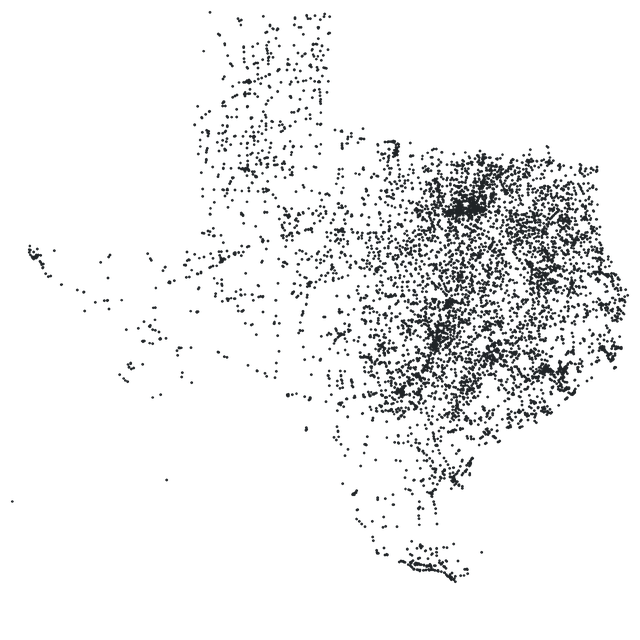
31.8926° N, 100.4853° W
Where to Find It
Courthouse square, 7th and Austin Avenue
Nearby Markers
- <0.1 mi NW Richard Coke Robert Lee
- 0.1 mi NW Hayrick Lodge 696, A.F. & A.M. Robert Lee
- 0.2 mi W Coke County Jail Robert Lee
- 0.2 mi N First Methodist Church of Robert Lee Robert Lee
- 0.7 mi NE Robert Lee Cemetery Robert Lee
- 0.7 mi NE Henry Davis Pearce Robert Lee