Llano City Cemetery
Area residents founded the city of Llano as the county seat for newly-formed Llano County in 1856. By August 1862, with internment of one-year-old Tina Miller, this site served as a burial ground. Seventeen-year-old Emily Young Wright was interred here a few weeks later, and their two gravestones are the earliest marked burials. The first deed references to the cemetery appear in two transactions from February 1882, when J.R. Green and John C. Oatman conveyed property to five individuals acting as cemetery trustees. As the only surviving trustee by 1906, F.J. Smith conveyed title to the Llano Cemetery Association, which transferred the property to the City of Llano in March 1907. Since that time, the city has maintained and enlarged the burial ground, which continues to serve the community. As the final resting place of several generations, the cemetery is a link to Llano's history. Notable burials include civic leaders, elected officials, military veterans and business owners, as well as Frank Teich, a stonecutter and sculptor known as the father of Texas' granite industry. Historic Texas Cemetery - 2003
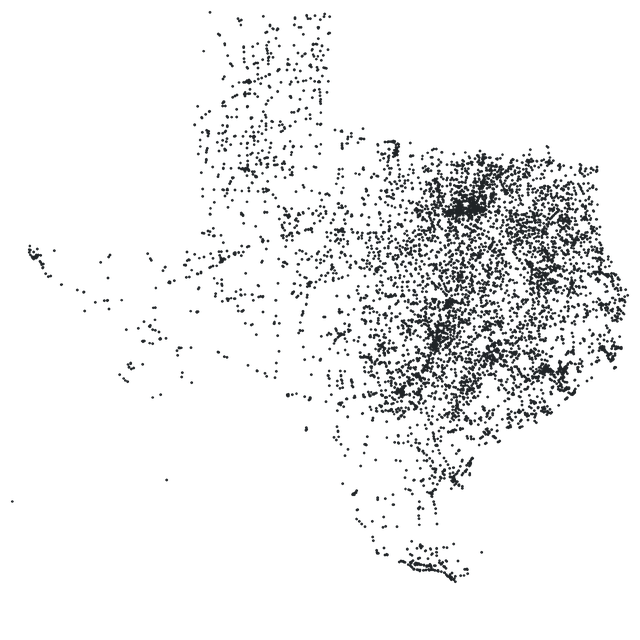
30.7429° N, 98.6722° W
Where to Find It
1410 Hickory St.
Nearby Markers
- 0.1 mi NE Dillard Cooper Llano, 1400 Hickory Street, Llano Street Cemetery
- 0.1 mi W O'Henry School Building Llano
- 0.2 mi W St. James Lutheran Church Llano
- 0.3 mi NW Grace Episcopal Church Llano
- 0.3 mi NW First Christian Church of Llano Llano
- 0.4 mi N Richmond Alexander McInnis Llano